
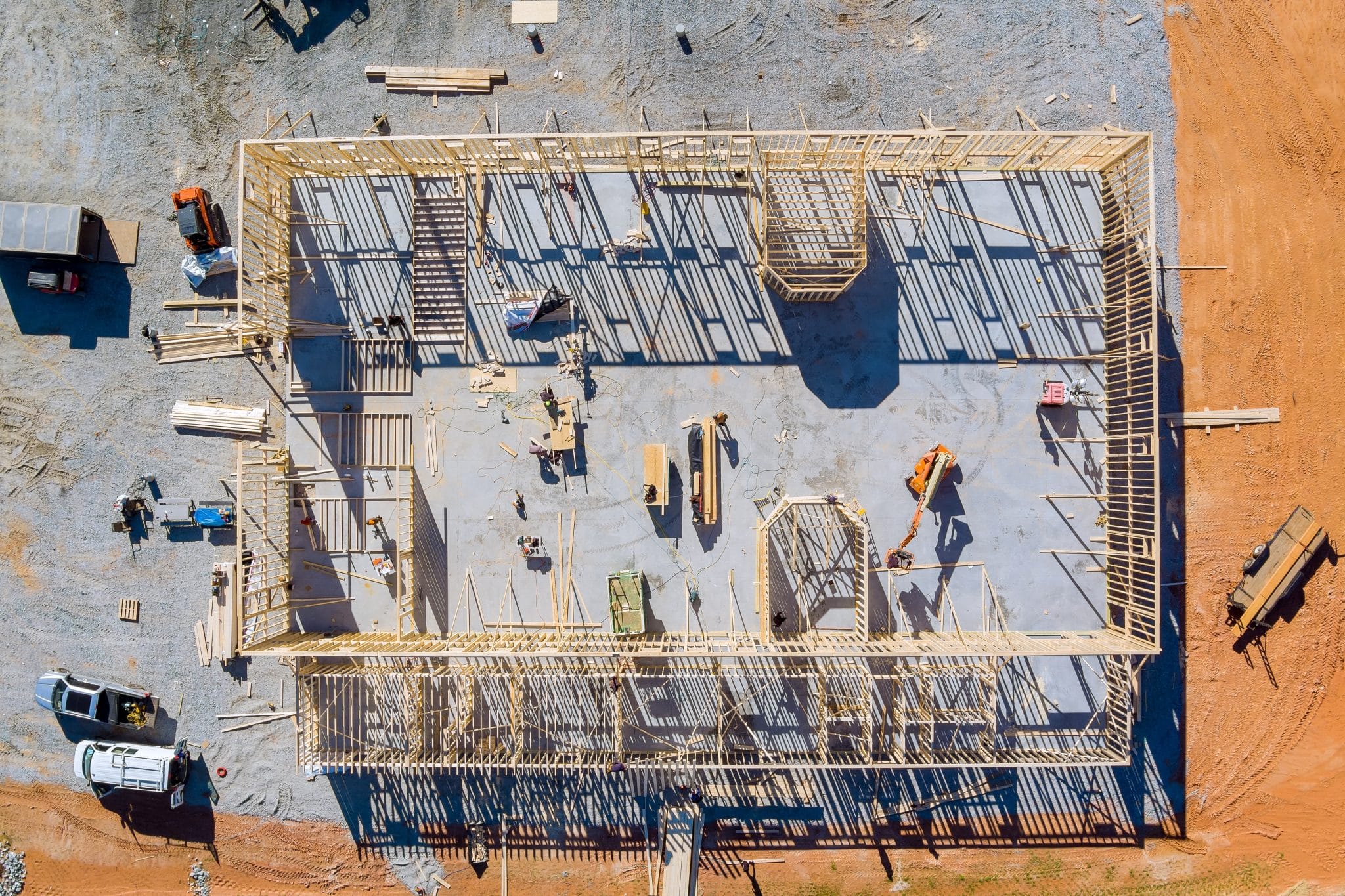
Signing a lease is a major milestone, but it’s only the beginning of the construction process.
Many business owners expect work to start shortly afterward. In reality, there are plans to complete, permits to obtain, approvals to secure, and inspections to schedule before construction can begin.
That’s why two businesses can sign leases on the same day and end up opening months apart.
One of the biggest misconceptions is that signing a lease means construction can start right away. Instead, signing the lease is often just the point where the real planning begins. Before anyone starts demolition, erects walls, or begins finish work, the project has to be designed, reviewed, approved, and coordinated with multiple parties. That’s why it’s common for weeks, or even months, to pass before the first crew arrives on site.
While every project is different, most commercial build-outs follow the same general path.
What Happens After You Sign the Lease?
Construction usually isn’t the first thing that happens.
The project team begins by reviewing the lease, understanding landlord requirements, evaluating the existing space, and determining how the business needs to function. A retail store has different requirements than a restaurant, medical office, or warehouse, so those operational needs have to be worked through before drawings are finalized.
This is also when budgets, schedules, and project responsibilities start coming together.

Understanding the Commercial Build-Out Timeline
1. Planning the Space
The design phase is where the project starts taking shape.
Instead of choosing paint colors and finishes, much of the work focuses on function. Where will equipment go? How will customers move through the space? Does the electrical service support the business? Will plumbing or HVAC systems need to be relocated?
These early decisions help ensure the finished space supports how the business actually operates, whether that means serving customers efficiently, meeting franchise requirements, accommodating specialized equipment, or preparing for future growth.
Many of these decisions affect construction later, so changes become more expensive once work is underway.
2. Permits and Approvals
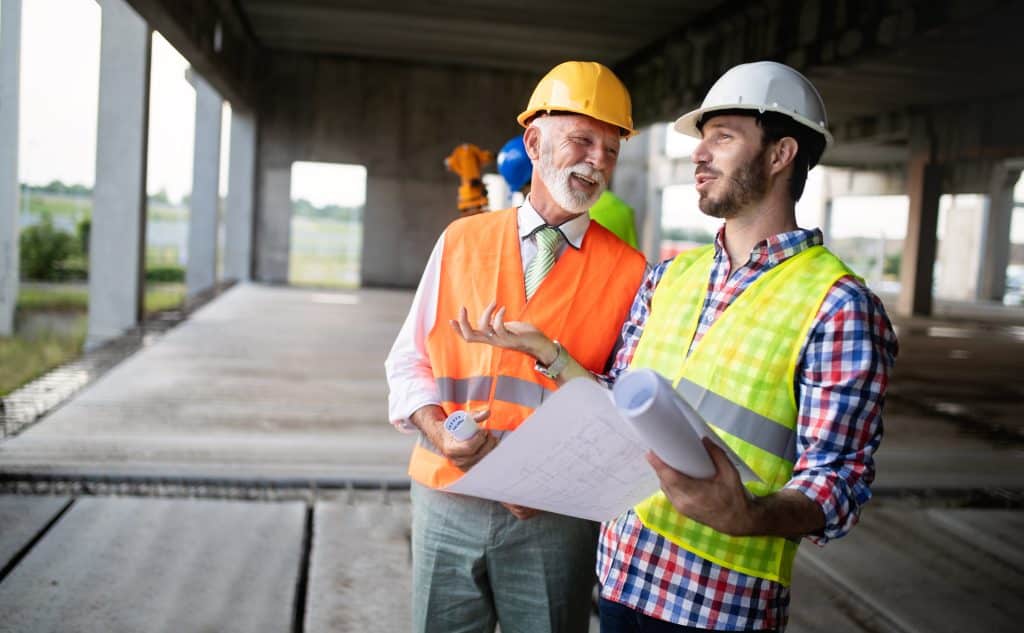
This is often the longest stretch of the project, even though there may not be much visible activity. Plans are reviewed by municipalities, permits are processed, landlords may need to approve the improvements, and engineers sometimes provide additional documentation or revisions before work is authorized to begin.
The timeline depends on the project, the local jurisdiction, and the approval requirements involved.
3. Construction
Once approvals are complete, the work inside the space begins.
Depending on the project, crews may complete demolition, framing, electrical, plumbing, HVAC installation, drywall, flooring, painting, and finish work. Several trades often work in sequence, so one phase usually needs to be completed before the next can begin.
This is the part of the project everyone sees, but it’s supported by weeks or months of planning that happened beforehand.
4. Final Inspections and Occupancy
As construction wraps up, the focus shifts to getting the space ready to open. That typically includes final inspections, punch list items, equipment installation, walkthroughs, and any remaining documentation required before a Certificate of Occupancy is issued.
Once those items are complete, the business can begin preparing employees, moving inventory into the space, and getting ready for opening day.
What Can Affect the Timeline?
While every project follows a similar overall process, several factors can influence how quickly it moves from planning to opening day.
Some of the most common causes of delays include:
- Permit review times
- Design changes after plans are completed
- Landlord approval requirements
- Material lead times
- Utility coordination
- Inspection scheduling
- Existing conditions discovered during construction
- Late equipment selections or finish decisions
- Waiting on owner approvals or layout revisions
Some of these can be anticipated. Others only become apparent once work begins.
In some cases, the project itself isn’t what causes delays. Waiting on design decisions, equipment selections, material choices, or owner approvals can also affect the schedule.
What Helps a Project Stay on Track?
The projects that run most smoothly usually have a few things in common:
- Decisions are made early.
- Communication stays consistent.
- Everyone understands their responsibilities.
- Expectations for the opening date are realistic.
- The project team addresses issues as they arise instead of waiting for them to become larger problems.
No project is completely free of challenges, but good planning makes them easier to manage.
Why the Right Contractor Matters
By the time construction begins, dozens of decisions have already been made behind the scenes. That’s one reason choosing the right contractor matters.
A commercial build-out involves much more than construction. Someone has to coordinate schedules, communicate with landlords and inspectors, track progress, identify issues early, and keep the project moving through each phase.
For most business owners, that’s not something they do every day. Working with an experienced contractor helps simplify the process and provides a clear point of contact from planning through completion.
Planning a Commercial Build-Out in Central Florida?
Whether you’re opening your first location, renovating an existing space, or expanding your business, understanding the process before construction begins can help you make better decisions and build a more realistic timeline.
At Built by Basom, we help business owners throughout Central Florida navigate commercial build-outs from the earliest planning conversations through final completion. If you’re preparing for a commercial build-out, we’d be happy to talk through your project, answer your questions, and help you understand what to expect before construction begins.