
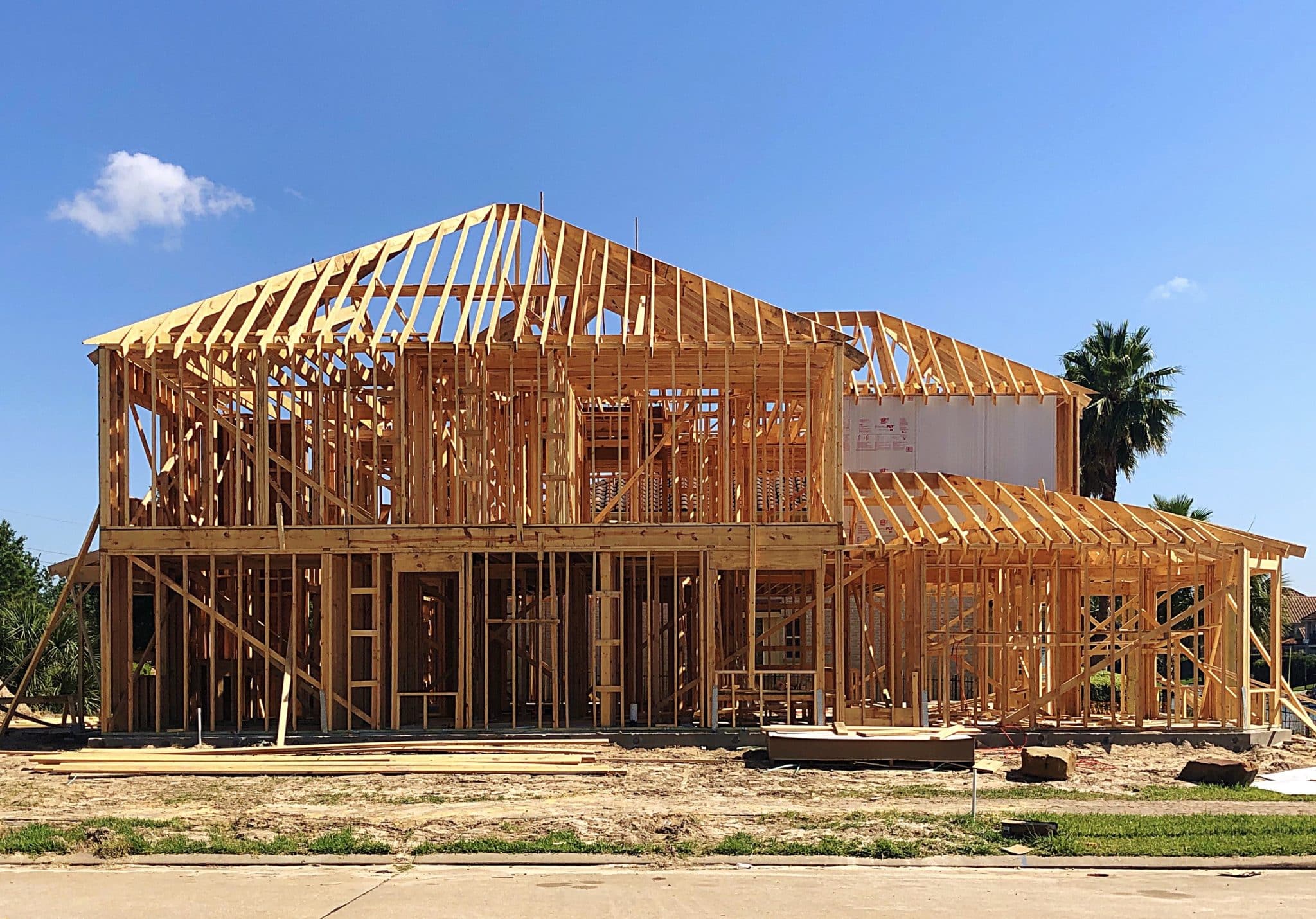
When most homeowners start searching for a new home, they’re focused on the end result. They’re thinking about square footage, kitchen layouts, bedrooms, and whether the home feels like the right fit for their family.
What many don’t realize is that they’re also choosing a building experience.
In most cases, that means deciding between a custom home builder and a production builder. While many people understand that custom homes offer more personalization, they don’t always realize how different these two approaches can be.
The decision goes beyond floor plans and finishes. It affects how much flexibility you’ll have throughout the process, how involved you’ll be in shaping the home, and ultimately whether you’re selecting from existing options or creating something built around your lifestyle.
Why Production Builders Are So Popular
Production builders play an important role in the housing market, and for many homeowners, they’re the right choice.
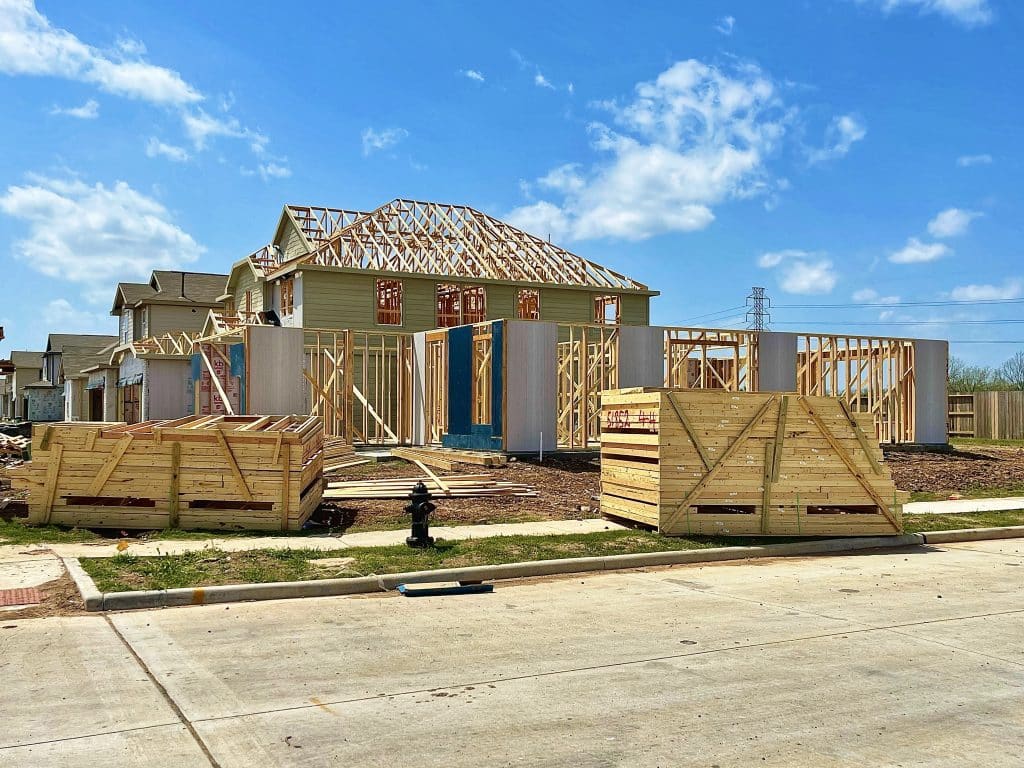
A production builder typically constructs homes within planned communities or subdivisions. Buyers choose from a selection of pre-designed floor plans, available lots, and finish packages. Because these builders often construct many homes using similar designs and systems, the process is designed to be efficient and predictable.
For homeowners, that can offer several advantages. Model homes provide a clear picture of what the finished product will look like, floor plans have already been developed and tested, and the overall building process tends to follow a structured timeline.
Many buyers appreciate that they don’t have to make hundreds of decisions along the way. Instead, they can select from curated options and move through a process that’s already been established.
Production builders can be an excellent fit for homeowners who:
- Want a streamlined building experience
- Prefer selecting from existing floor plans
- Plan to live in a master-planned community
- Want a process that feels straightforward and predictable
For many families, that combination of convenience and simplicity makes a lot of sense.
When Homeowners Start Looking Beyond Standard Floor Plans
Production homes work well for many buyers, but there are situations where homeowners start looking for something more personalized. Sometimes they’ve toured multiple model homes and still haven’t found a layout that feels quite right. Other times, they already own land and want a home designed specifically for that property.
The motivation isn’t always about aesthetics. Often, it’s about functionality. A homeowner may need a dedicated office, additional storage, a larger garage, a first-floor guest suite, or a layout that can accommodate future changes in their family’s needs.
When those priorities become difficult to achieve within existing floor plans, custom home building often becomes a more attractive option because it allows the home to be designed around the homeowner rather than the other way around.
What Makes a Custom Home Different?
The biggest difference between a custom home and a production home is where the process begins. Rather than starting with a selection of existing floor plans, a custom home starts with the homeowner’s goals and how they want the home to function.
That might mean creating a more open gathering space, incorporating a dedicated home office, adding a first-floor guest suite, or designing around a specific piece of property. Rather than selecting the floor plan that comes closest to their needs, homeowners have the opportunity to create a home that reflects how they actually live.
That flexibility can extend to nearly every part of the home, including:
- Floor plan design and room layouts
- Home offices, hobby rooms, and specialty spaces
- Outdoor living areas
- Storage and organization
- Multi-generational living arrangements
- Future expansion opportunities
- Building on unique lots or acreage
Is a Custom Home Always More Expensive?
One of the biggest misconceptions about custom homes is that they’re only an option for homeowners with significantly larger budgets. While custom homes often cost more upfront, the comparison isn’t always as simple as looking at two price tags.
Production builders can often keep costs lower by building large numbers of homes using similar plans and materials. Custom homes don’t have those same efficiencies, but they do give homeowners more control over where their budget is spent and what features are prioritized.
The cost of a custom home depends on factors such as:
- Whether land is already owned or needs to be purchased
- The size and complexity of the home
- Site preparation requirements
- Material and finish selections
- Location
- Builder experience and approach
For many homeowners, the decision comes down to more than upfront cost. It’s also about whether the home provides the functionality, flexibility, and long-term value they’re looking for.
What Homeowners Notice Most During the Process
Many homeowners focus on the finished home, but the building experience itself is often where the differences between custom and production builders become most noticeable.
Flexibility
One of the most common reasons homeowners begin exploring custom building is because they can’t find a floor plan that fully meets their needs. Maybe they want a larger pantry, a dedicated home office, more garage space, or a layout that will work better for their family years from now.
Production builders typically offer a range of floor plans and upgrade options, which works well for many buyers. But when homeowners have specific goals for how they want their home to function, custom building provides the opportunity to design around those priorities from the start.
Rather than choosing the closest available option, they’re able to create a home that better reflects the way they actually live.
Decision-Making
The amount of involvement homeowners want during the building process can vary quite a bit. Some prefer a simpler experience with fewer decisions, while others enjoy having a greater say in the final result.
Custom building naturally creates more opportunities for homeowner input. From layout decisions to finishes and functional details, homeowners play a larger role in shaping the finished home.
While that means making more choices throughout the process, it also allows for a greater level of personalization. The key is having a builder who can provide guidance and keep those decisions from feeling overwhelming.
Communication
Communication often becomes more important once a project is underway than many homeowners initially expect. Questions come up, decisions need to be made, and occasional adjustments are part of nearly every building project.
Because custom homes are designed around a homeowner’s specific goals, the process tends to involve more ongoing conversations throughout planning and construction. Many homeowners appreciate having a collaborative relationship with their builder and the confidence that comes from understanding what’s happening at each stage of the project.
That level of communication can make the entire experience feel more transparent and less stressful.
Timeline
Most homeowners would love a home that perfectly fits their needs and is completed as quickly as possible, but there is often a balance between speed and customization.
Custom homes typically require more planning before construction begins. Designing the home, reviewing plans, making selections, and coordinating details all take time. While that can extend the overall schedule, it also creates the opportunity to build a home that’s tailored to your property, lifestyle, and long-term goals.
For many homeowners, the additional planning is a worthwhile investment in the final result.
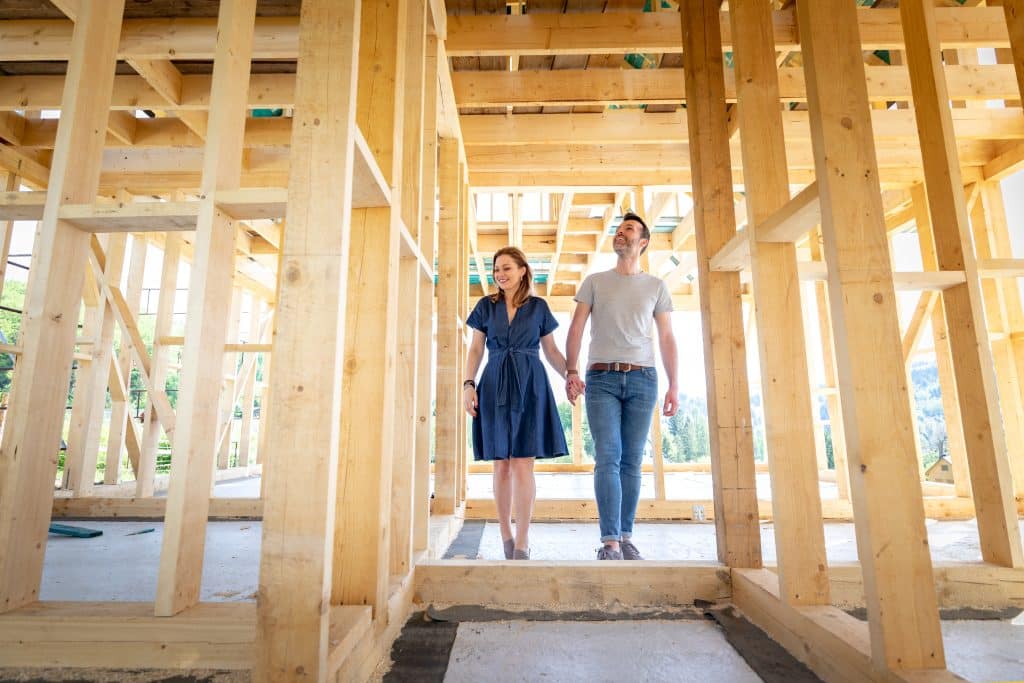
Which Option Is Right for You?
The right choice depends on your priorities.
If you’re looking for a streamlined process, fewer decisions, and a home within a planned community, a production builder may be the better fit. If you want more flexibility, plan to build on your own property, or have specific goals for how your home should function, custom building may be worth exploring.
If you’re still weighing your options, ask yourself:
- How important is customization to me?
- Am I willing to compromise on certain layouts or features?
- Do I already own land or plan to purchase land separately?
- How involved do I want to be during the design and building process?
- Am I prioritizing convenience, personalization, or a balance of both?
- How important is direct communication with my builder?
- Am I thinking primarily about today’s needs or how I’ll live in this home years from now?
The answers can often make the right path much clearer.
The Right Builder Matters Most
Choosing between a custom builder and a production builder is important, but the experience often depends just as much on the builder you choose. A great builder does more than manage construction. They communicate clearly, set expectations, answer questions, and help homeowners navigate decisions throughout the process.
Those qualities matter in any building project, but they’re especially valuable when creating a custom home. Because every project is unique, homeowners often rely on their builder for guidance as much as craftsmanship.
Having a trusted partner throughout the process can make the difference between simply building a house and enjoying the journey of creating a home that truly fits your family.
Ready to Explore Your Options?
Whether you ultimately choose a custom home or a production-built home, making an informed decision starts with understanding the differences between the two.
For homeowners considering a custom home in Central Florida, the next step doesn’t have to be a commitment. It can simply be a conversation about your goals, your property, and what you want your future home to look like.
At Built by Basom, we’re committed to helping homeowners understand their options and make decisions with confidence. If you’re exploring the custom home building process, we’d be happy to answer your questions, discuss your vision, and help you determine the best path forward.
Contact Built by Basom today to start the conversation.